





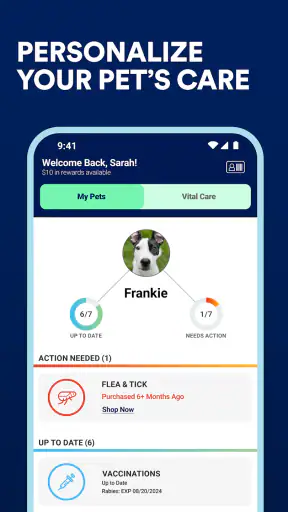

I came away from Petco: The Pet Parents Partner thinking of it less as a general shopping app and more as a practical companion for people who already buy pet supplies from Petco. Its appeal is straightforward: it brings grooming, training, and shopping into one place, so I can handle routine pet-care errands without switching between several services. That focus is also its main limitation. If I only need occasional product research or prefer comparing many retailers at once, a broader shopping tool may suit me better.
Petco: The Pet Parents Partner is a free shopping app from Petco Animal Supplies, Inc. It is aimed at pet owners, and the Everyone age rating makes it approachable for a household where more than one person may be involved in caring for an animal. The app has been available since April 30, 2018, and its current version is 9.43.1 for operating systems 10 and later.
How the Petco experience works in everyday use
The first thing I noticed is that the app makes most sense when I treat it as a regular part of my pet-care routine rather than a one-off shopping destination. A pet owner may need food, litter, treats, toys, grooming products, or training-related items at different times. Having those needs gathered under the Petco name reduces the mental effort of remembering where to look each time.
For example, imagine noticing on a Sunday evening that a dog’s food is running low and the household also needs a new brush. I would use the app to look for both items in one session instead of searching separately on a general marketplace. That sounds simple, but it is useful because pet shopping is often driven by repeat needs rather than impulse purchases. The value comes from making the next routine errand easier.
The grooming and training emphasis also gives the app a wider purpose than a basic product catalogue. A new pet owner may not know whether to focus first on feeding supplies, coat care, enrichment, or basic training equipment. The app can act as a starting point for organizing those needs around the animal’s stage of life and daily habits, even though I would still use professional veterinary advice for health questions.
I like this focused approach because pet products are not always interchangeable. A brush that works well for one coat may be unhelpful for another, and a toy that suits a calm indoor cat may not be appropriate for a powerful chewer. Keeping the app centered on pet ownership makes browsing feel more relevant than scrolling through a huge general marketplace where pet items compete with unrelated products.
Why the focused catalogue is useful
The strongest reason to use this app is convenience through context. When I open a general shopping service, I usually have to filter aggressively and evaluate sellers, product variations, and unrelated recommendations. A Petco-centered app narrows the environment to things connected with living alongside animals. That does not automatically make every choice easier, but it gives the search a more useful starting point.
It is particularly helpful for people who manage several kinds of pet-care tasks at once. Someone may be buying food for a cat, grooming supplies for a dog, and training aids for a puppy. A single pet-focused destination can make that mixed basket feel more coherent than separate searches across unrelated retailers.
Another practical advantage is planning. I would not wait until the last minute to explore unfamiliar supplies, especially for a new pet. Instead, I would browse when there is still time to compare sizes, intended uses, and alternatives. This is one of the less obvious ways to get more from the app: use it during calm planning sessions, not only during an urgent reorder.
That habit matters because pet purchases often involve compatibility. A crate, harness, grooming tool, or feeding accessory needs to match the animal and the owner’s routine. Browsing ahead gives me time to reconsider a tempting product instead of buying the first result under pressure. The app is more valuable as a planning shelf than as a frantic emergency solution.
Grooming and training make it more than a checkout screen
The store summary puts grooming and training alongside shopping, and that combination is important. Pet ownership is not only about acquiring food and accessories; it is also about maintaining an animal’s comfort and building workable habits. I appreciate that the app’s purpose reaches into those everyday responsibilities rather than treating pet care as a list of products.
For grooming, I would use the app to prepare a small routine rather than buying random tools. A long-haired animal may need a different approach from a short-haired one, while a nervous pet may require shorter, calmer sessions. The useful insight here is that shopping should follow the routine: decide what the animal actually tolerates and what the owner can consistently do, then choose supplies that support that plan.
Training purchases deserve the same caution. A clicker, treat pouch, mat, or toy can support practice, but the item itself does not replace consistency. I see the app as a convenient way to gather training-related equipment, not as a substitute for a trainer or a reliable method. For difficult behavior, fear, aggression, or sudden changes, I would look beyond a shopping app and seek qualified help.
This distinction keeps expectations realistic. The app can help me prepare for care, but it cannot inspect an animal, diagnose a condition, or decide which product is safe in a complex situation. That is not a flaw unique to Petco; it is simply an important boundary for any retail-focused pet app.
Small habits that make the app more useful
I would approach the app with a short list divided into three groups: essentials, replacements, and optional items. Essentials cover things the pet cannot do without, replacements cover worn or nearly empty supplies, and optional items are enrichment or convenience purchases. This prevents browsing from turning a simple restock into an unfocused basket.
A second useful habit is checking the product’s role before considering its appearance or promotional appeal. Pet products can look appealing while being unsuitable for an animal’s size, chewing style, coat, age, or feeding needs. I would first identify the practical requirement, then use the app to explore products that match it. That is a better workflow than starting with whatever happens to be visually prominent.
For households with multiple pets, I would keep a separate mental or written checklist for each animal. Combining everything too early can lead to confusing substitutions, especially when two pets have different food or grooming needs. The app can support a shared shopping session, but the owner still needs to maintain that separation.
I would also avoid treating a single shopping visit as proof that a product will work long term. Pets can reject food, dislike grooming tools, or lose interest in toys. A sensible approach is to buy cautiously when trying something new and reserve larger repeat purchases for items the animal has already accepted.
Where the experience can feel limited
The main weakness is that the app is tied to one retailer’s ecosystem. That is convenient when I already intend to shop at Petco, but it is less useful when my priority is finding the lowest price across several stores, locating a niche product, or comparing independent sellers. A broad marketplace or price-comparison workflow may offer more variety and a wider view of alternatives.
That trade-off is worth understanding before installing it. The app is not the best fit for someone who wants a neutral research tool. Its strength is reducing friction within a Petco-focused shopping journey, not representing every possible source of pet supplies. I would use it alongside other resources if price, availability, or specialist selection were my primary concerns.
There is also a risk of overbuying because pet shopping naturally invites browsing. Treats, toys, seasonal items, and accessories can quickly distract from the original need. I found that the app works better when I enter with a clear purpose and pause before adding extras. The convenience of one destination should not replace judgment about storage, budget, or whether the pet will actually use something.
Another limitation is the difference between shopping guidance and personal care guidance. Product categories can help me think through grooming or training, but they cannot account for every animal’s medical history, temperament, or sensitivities. If an item is intended to address a health concern, I would confirm the decision with a veterinarian rather than relying on retail browsing alone.
Who should install it?
I would recommend this app most strongly to regular Petco shoppers, new pet owners building a supply routine, and families that want one pet-centered place for shopping, grooming-related needs, and training equipment. It is also a reasonable choice for anyone who prefers a focused catalogue over the noise of a general online marketplace.
It can be especially handy for people who repeatedly forget small essentials. A planned visit can cover food, cleaning supplies, grooming tools, and enrichment items in one session. That does not eliminate the need to monitor stock at home, but it gives the owner a more organized starting point for recurring errands.
I would be more cautious recommending it to bargain hunters who compare every retailer, owners seeking highly specialized products, or shoppers who rarely buy pet supplies online. Those users may gain more from a general marketplace, a specialist supplier, or simply visiting a local store where they can ask questions and inspect an item directly.
People with complex animal-care needs should also treat the app as a retail aid rather than a complete care solution. It can help gather ordinary supplies, but it should not be the only resource for dietary restrictions, medical concerns, serious behavior problems, or products requiring professional fitting and supervision.
What the rating and adoption suggest
The app holds an average rating of 3.8 from around 23 thousand ratings, with roughly 11 thousand written reviews. More than one million installs show that it has reached a substantial pet-owning audience, although popularity alone does not guarantee that its workflow will match every shopper’s expectations.
I read those figures as a sign of a useful but not universally frictionless tool. A focused retail app can be very convenient for the right customer while still disappointing someone who expects a broad comparison service or a complete pet-care adviser. The important question is not whether every owner will love it, but whether its Petco-centered approach matches the way I already shop.
My final take on the Petco companion app
After looking at its purpose from a practical angle, I see Petco: The Pet Parents Partner as a solid choice for organized, recurring pet shopping. Its best quality is focus: grooming, training, and supplies are treated as connected parts of ownership rather than isolated purchases. That makes it easier to plan a pet-care basket and return to familiar needs without starting from scratch every time.
The compromise is equally clear. I would not choose it as my only shopping tool if I needed the widest selection, independent price comparison, or specialist advice. I would also avoid using it as a replacement for veterinary or professional training guidance. Its role is narrower, but within that role it can be genuinely helpful.
Because it is free and rated for Everyone, trying it carries little commitment for a household already interested in Petco. My recommendation is to install it if you want a pet-specific shopping routine and appreciate having grooming and training needs close at hand. If your priority is retailer-neutral research, the lowest possible price, or highly specialized care, keep another option available. The app is at its best when convenience and pet-focused organization matter more than comparing the entire market.


